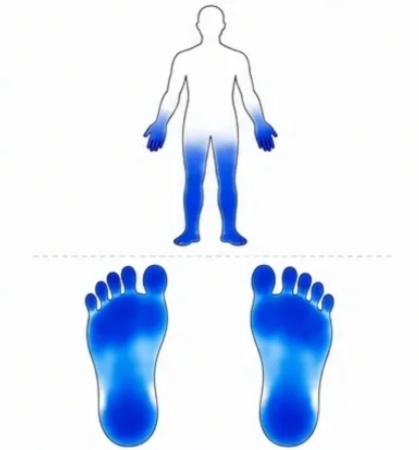

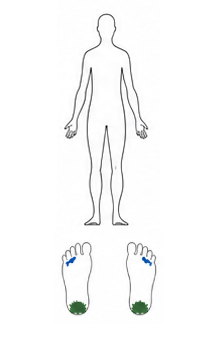
Most symptomatic with the greatest affected surface area.
Symptoms are often most widespread at the beginning of care and typically most severe at the ends of the nerves.
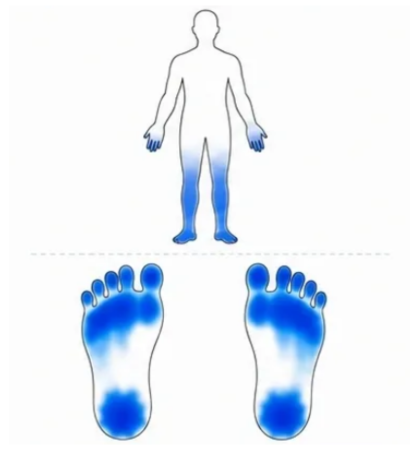

Early measurable improvement.
As nerve function begins improving, affected areas may start shrinking and symptoms may become less intense or less frequent.
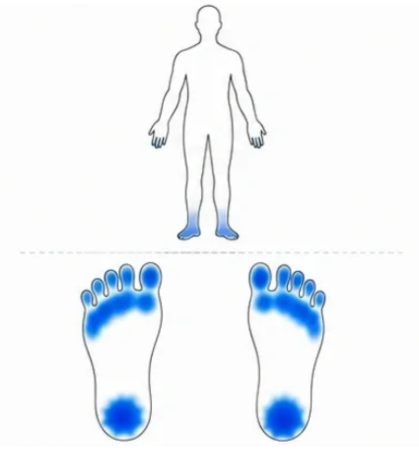

Continued improvement over time.
Symptoms often improve from the top down—in the opposite direction they typically progressed as the nerves became damaged.
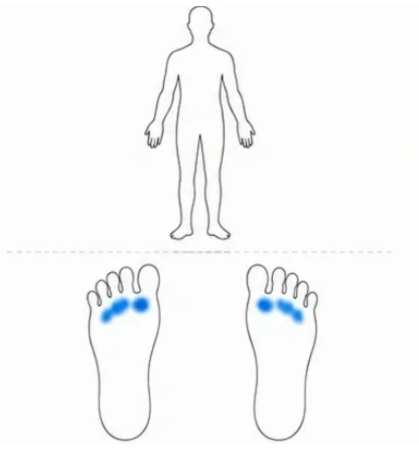

Most affected areas resolved.
Any remaining symptoms are often mild, non-limiting, and primarily localized near where the toes join the balls of the feet—often becoming more of an occasional afterthought than a daily limitation.
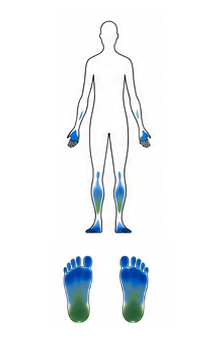
Most symptomatic with the greatest surface area of sensory abnormalities
Widespread areas of sensory loss and change.
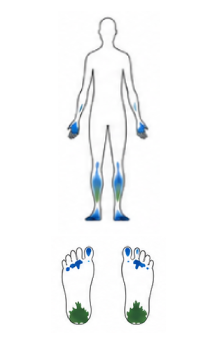
After 1–3 treatment visits
Surface area of dysfunction begins to improve.
Improvement as visits continue
Noticeable reduction in surface area of sensory abnormalities.
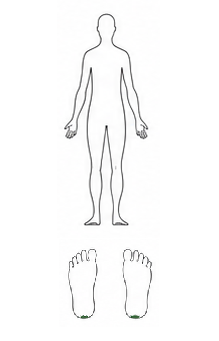
Minimum remaining dysfunction
Minimal remaining areas of dysfunction.
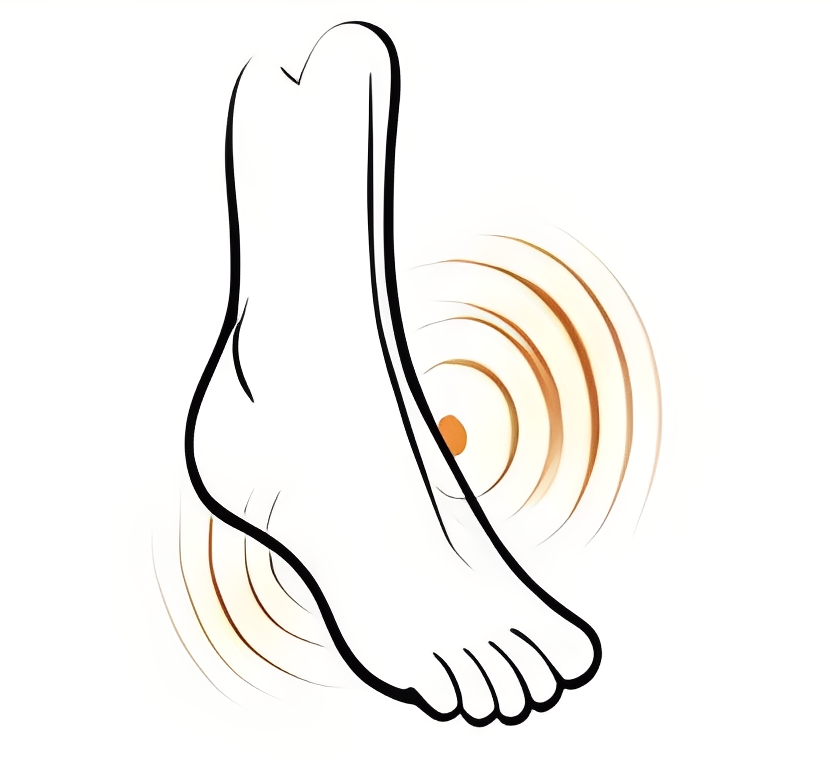
Pain
Achy, sharp, or stabbing pain in the feet or legs.
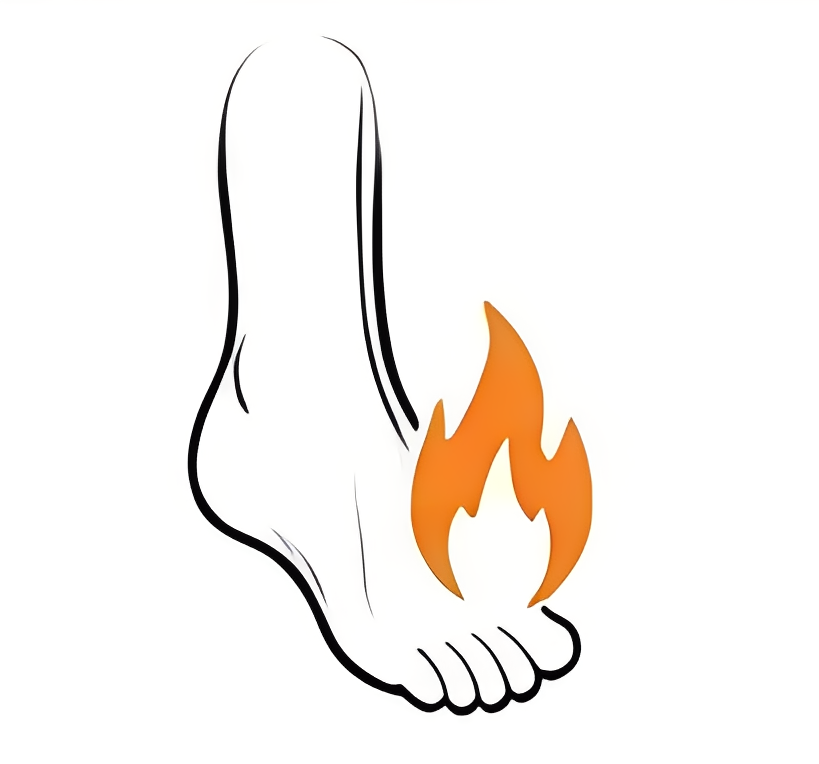
Burning Sensations
Burning or searing feelings, often worse at night.
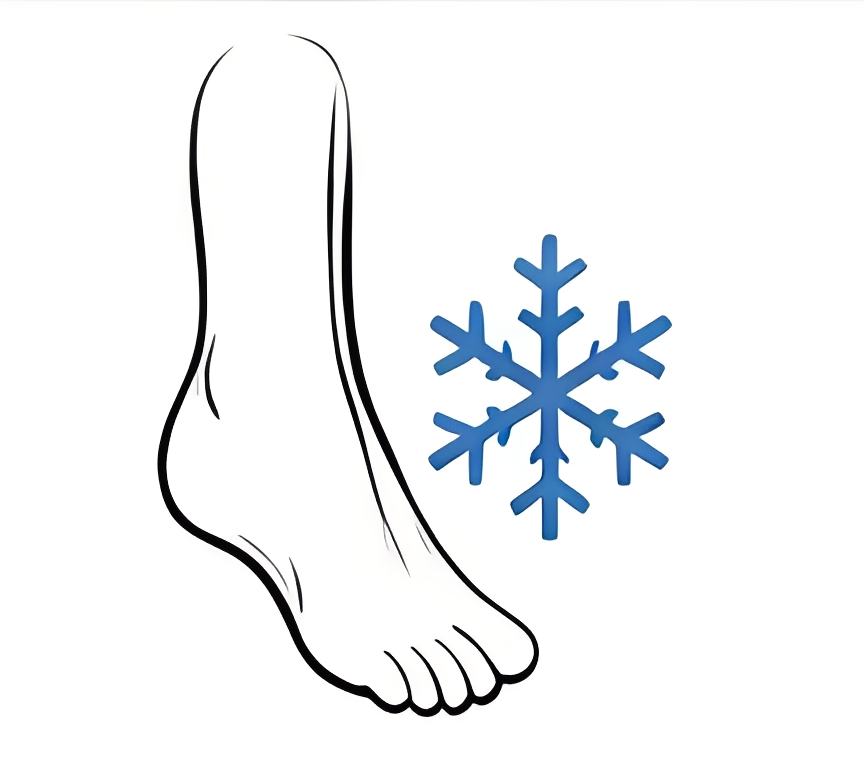
Cold Sensations
Feeling of cold or ice in the feet, even when warm.
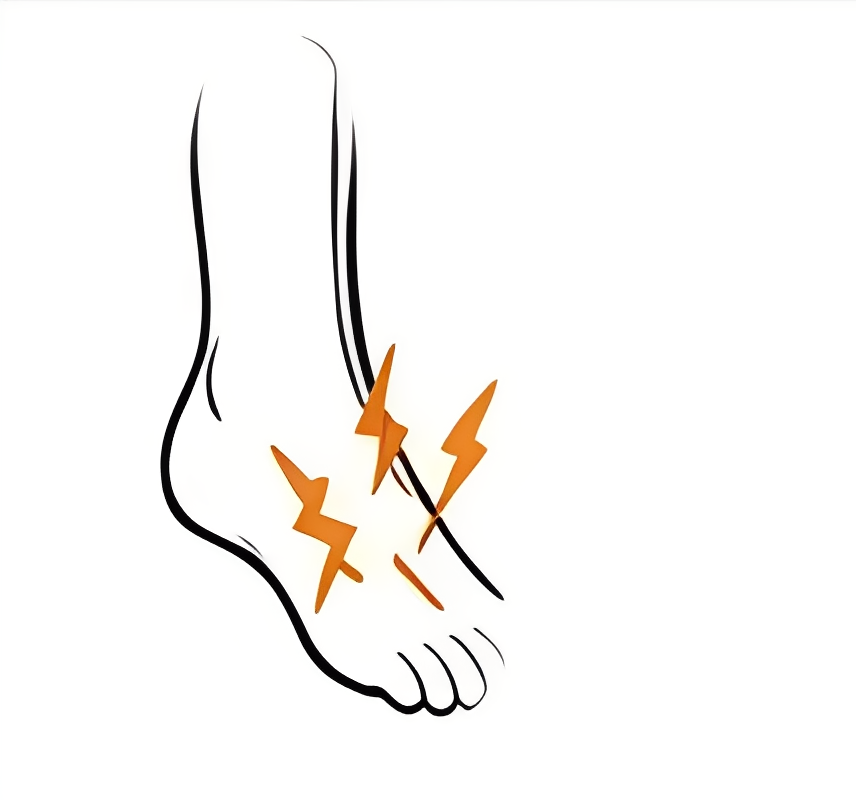
Shooting Sensations
Sudden, electrical or shooting pains.
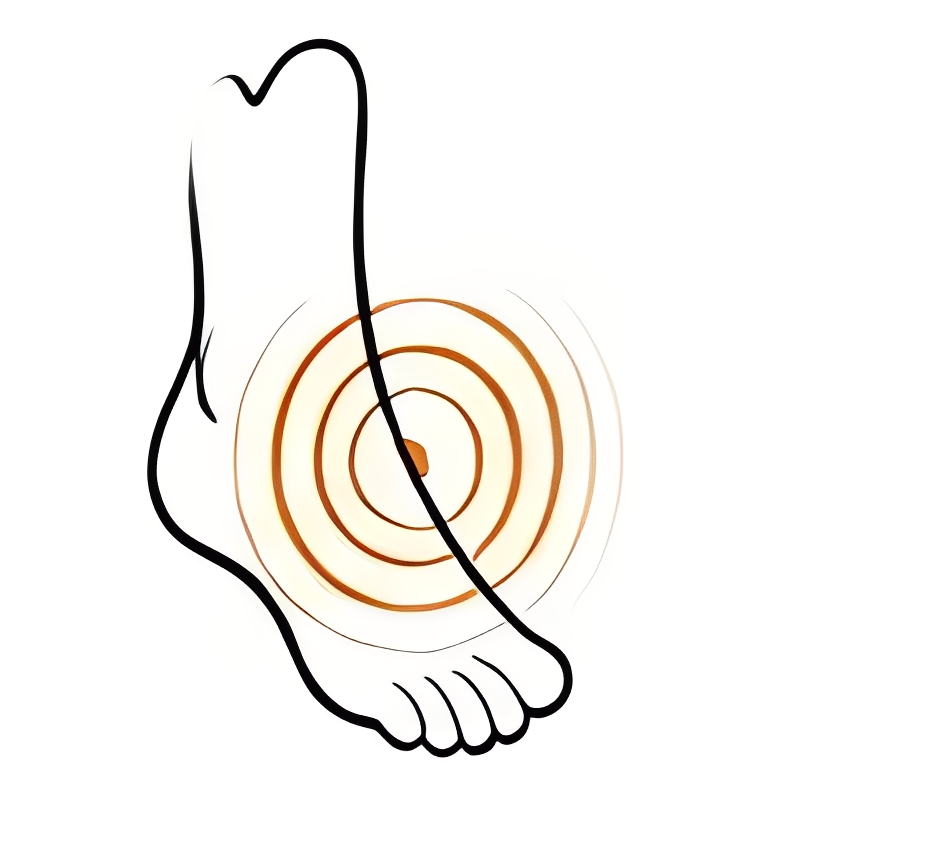
Numbness & Tingling
Pins and needles or loss of feeling in the feet.
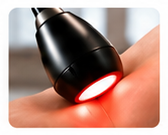
Photobiomodulation (PBM)
Delivers therapeutic wavelengths of light to stimulate cellular function, improve circulation, and reduce inflammation to support nerve health.
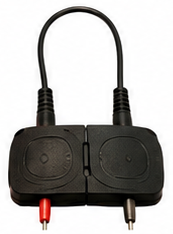
Interferential Therapy
Uses gentle electrical currents to promote cell signaling, reduce tight and stiff tissues, and support improved nerve function.
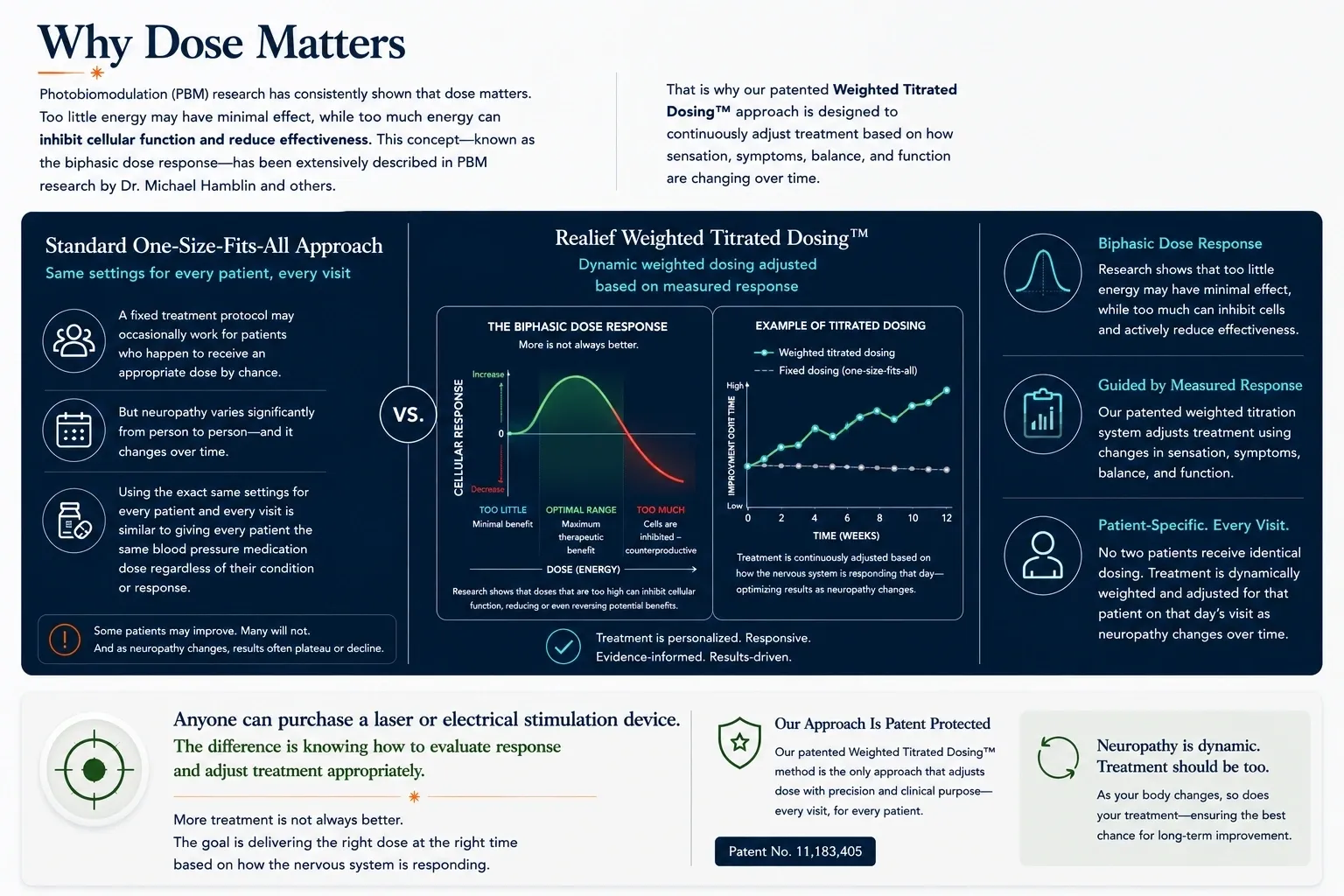
Titrated Dose. Customized Daily.
We adjust the dose of your laser treatment each visit based on how your body is responding that day.

Our Titrated Dosing Method is Patent Protected.
Our proprietary system for titrating (adjusting) the dose of light therapy is covered by a U.S. patent—ensuring each treatment is precisely calibrated to your body’s daily response.

Precisely Dosed. Purposefully Delivered.
Precisely Dosed. Purposefully Delivered.
Our patented dosing protocol ensures each treatment is delivered with precision and consistency—based on clinical research and real-world results. - U.S. Patent No. 11,260,242 B2.
Learn more about our approach →

Backed by Research. Refined Through Experience.
Our approach is supported by over 20 years of clinical experience and research, including a University of Michigan study published in PLOS ONE.
View the study →
