

We Measure
We track sensation, balance, and function—so you can see real changes.

We Adjust
Treatment is adjusted every visit based on how your body responds.

We Put You First
No large upfront payments. Care continues only if measurable improvement is occurring.

Red Flags to Watch Out For

1. Large Upfront Payments
Being asked to pay thousands of dollars before knowing if treatment is working is one of the biggest red flags.

2. Retail Therapies Sold at Premium Prices
Many clinics package together basic therapies—such as vitamins, electrical stimulation, or light wraps—that patients could purchase on their own for a few hundred dollars.

3. Preset Protocols
The same treatment is used for every patient, regardless of symptoms, severity, or response.

4. No Measurement of Progress
If progress isn’t measured, there’s no way to know if treatment is actually working.

5. No Early Re-Evaluation
You should know within the first few visits whether your body is responding.
Continuing long-term care without early feedback is a major red flag.

Titrated Dosing—Patent Protected
We adjust treatment every visit based on your response. There is no preset protocol.
U.S. Patent No. 10391331

Measurement-Driven Care
We track sensation, surface area, and functional changes to guide treatment and track outcomes.

Care That Adapts
As you improve, areas of dysfunction shrink and treatment is adjusted accordingly.

20+ Years Focused on Neuropathy
This is our specialty—not a side offering. It’s what we do every day.
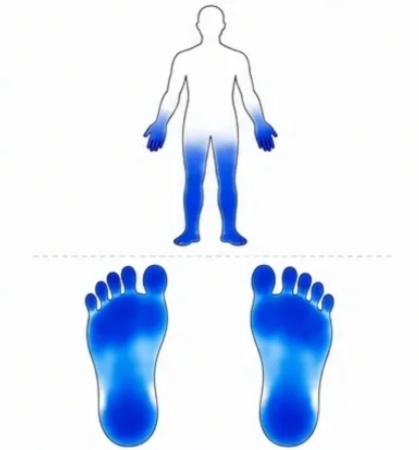

Most symptomatic with the greatest affected surface area.
Symptoms are often most widespread at the beginning of care and typically most severe at the ends of the nerves.
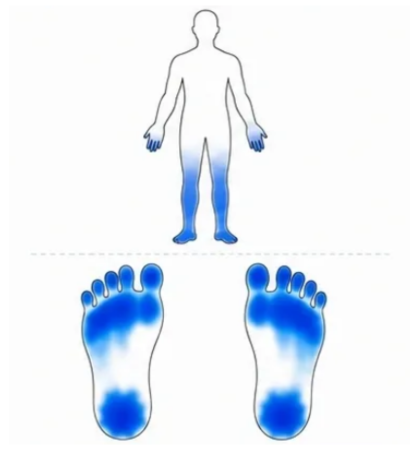

Early measurable improvement.
As nerve function begins improving, affected areas may start shrinking and symptoms may become less intense or less frequent.
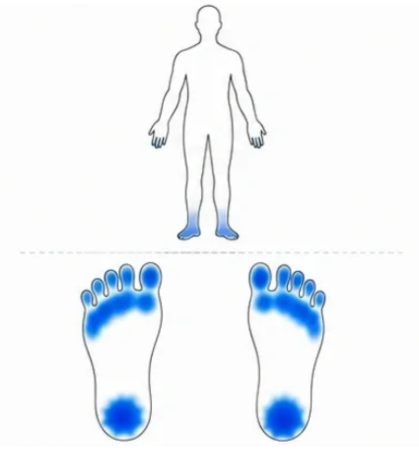

Continued improvement over time.
Symptoms often improve from the top down—in the opposite direction they typically progressed as the nerves became damaged.
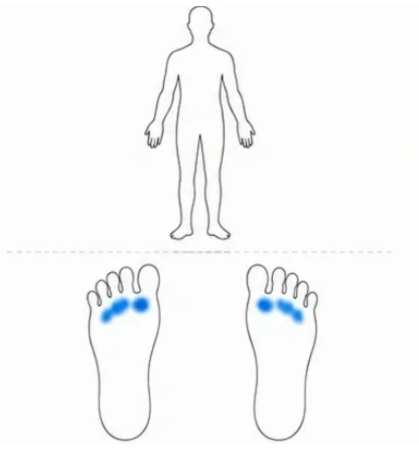

Most affected areas resolved.
Any remaining symptoms are often mild, non-limiting, and primarily localized near where the toes join the balls of the feet—often becoming more of an occasional afterthought than a daily limitation.
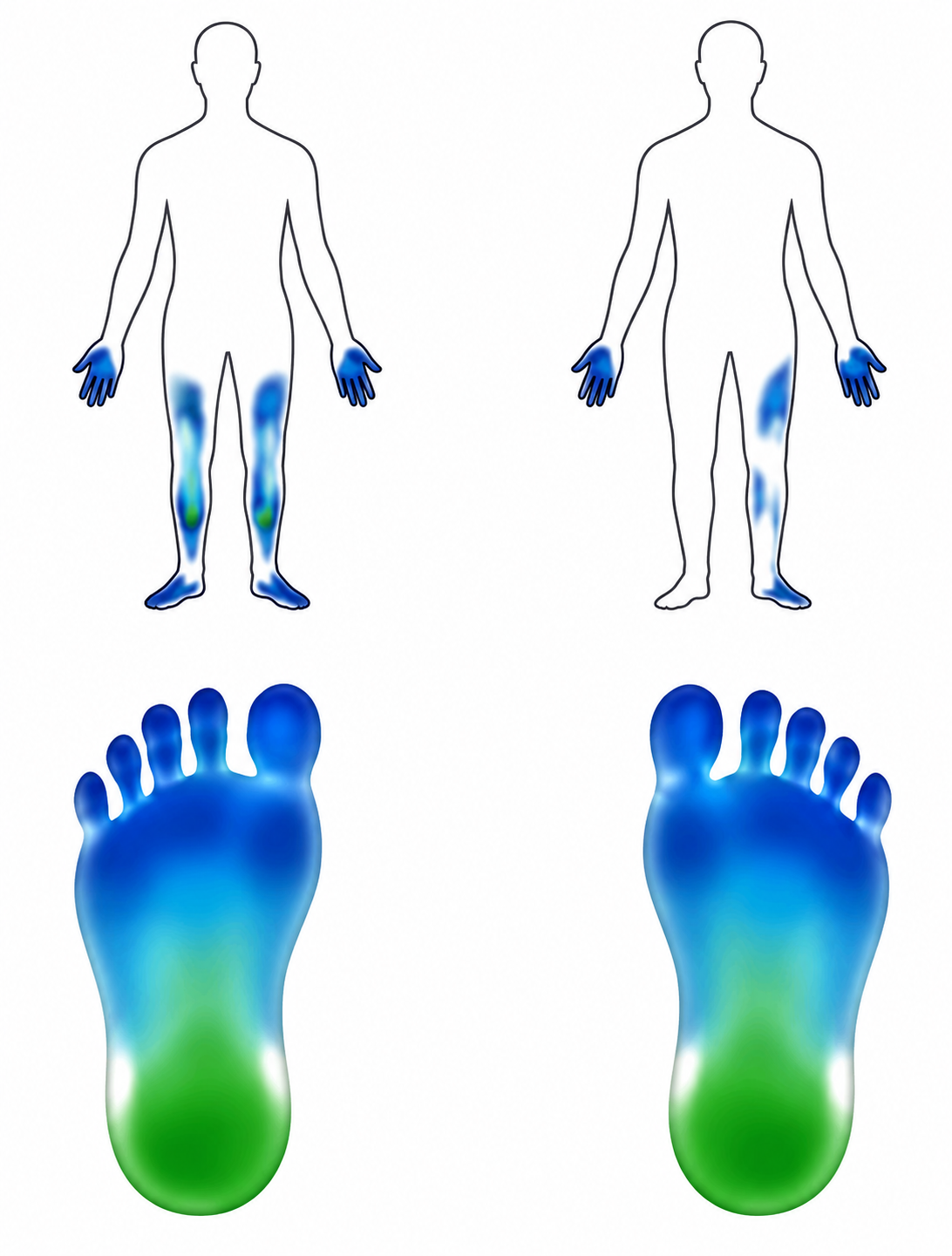
Most symptomatic with the greatest surface area of sensory abnormalities
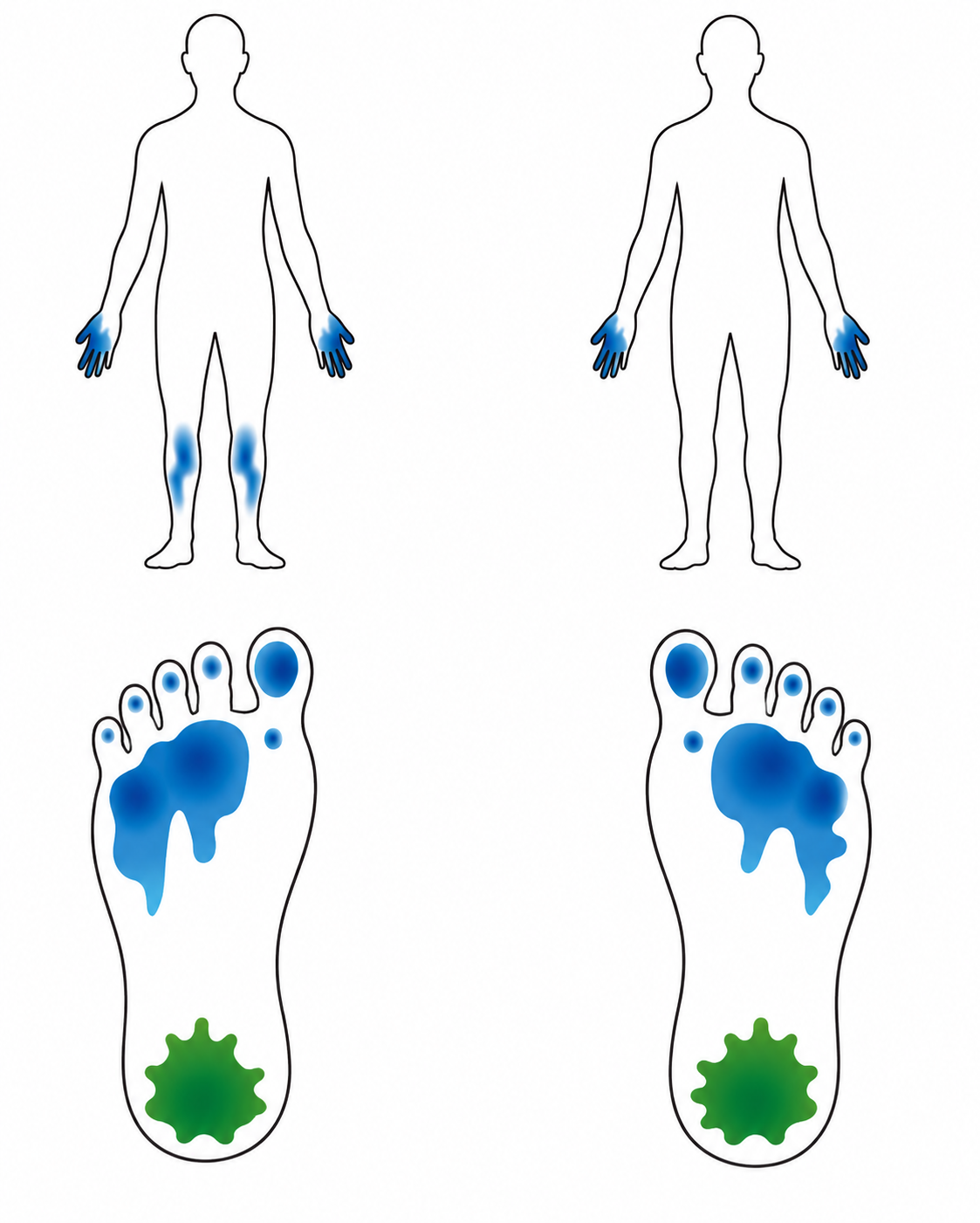
After 1–3 treatment visits
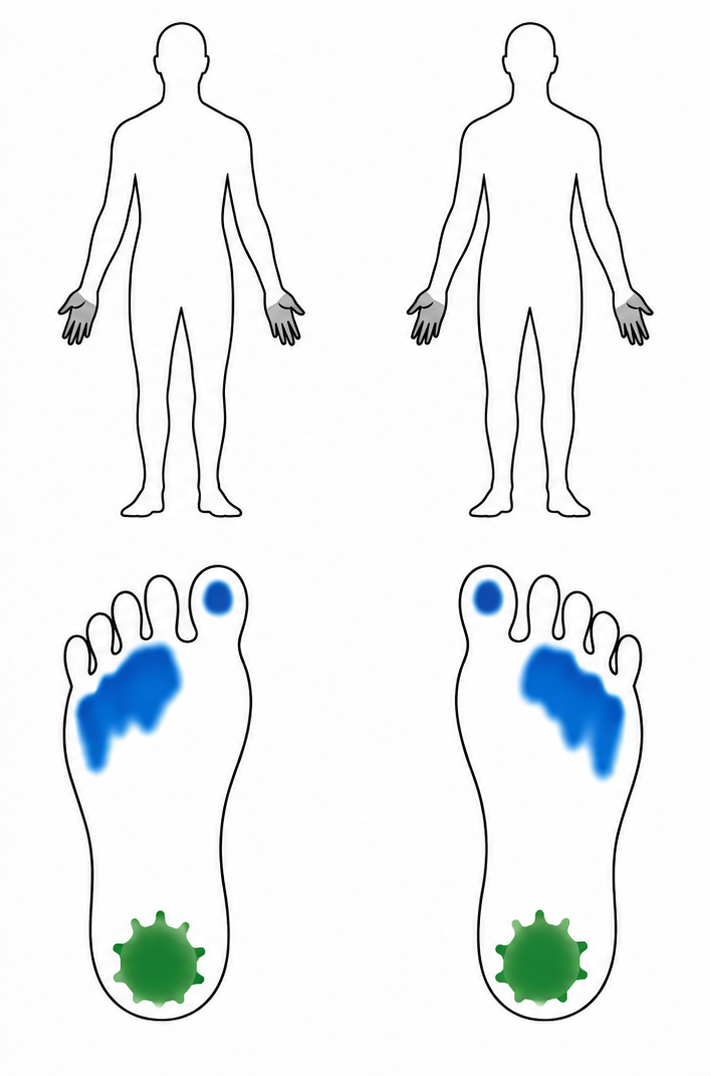
Improvement as visits continue
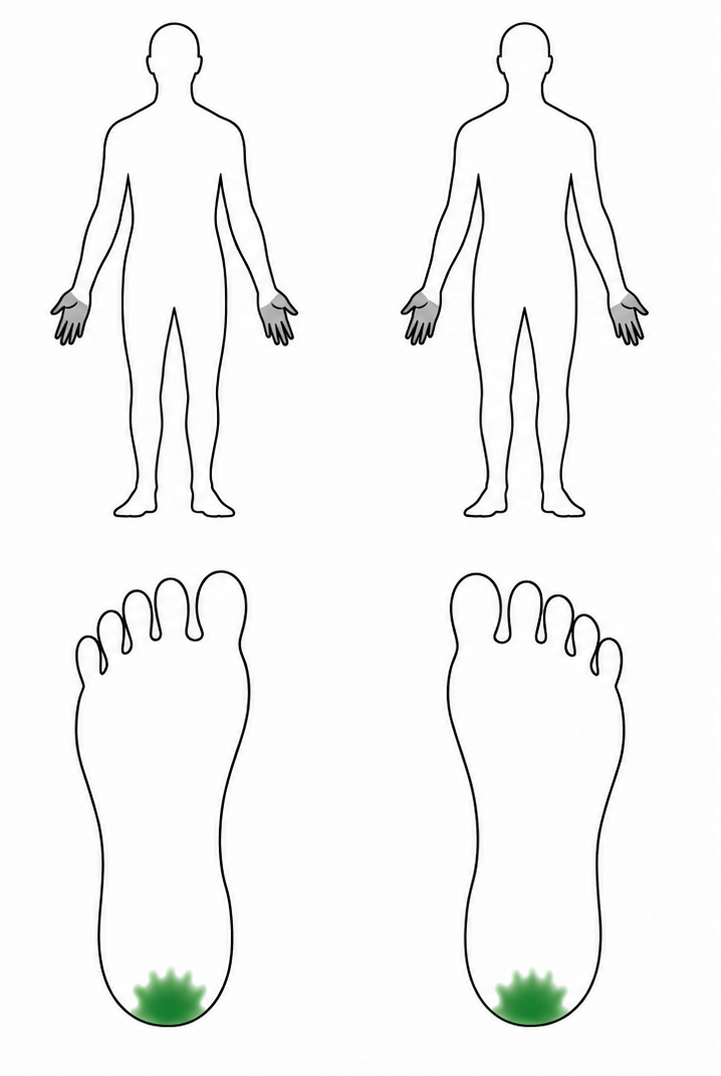
Minimum remaining dysfunction

Care Should Be Based on Results—Not Commitments
We believe patients deserve transparency, measurable progress, and the ability to make decisions based on real results.